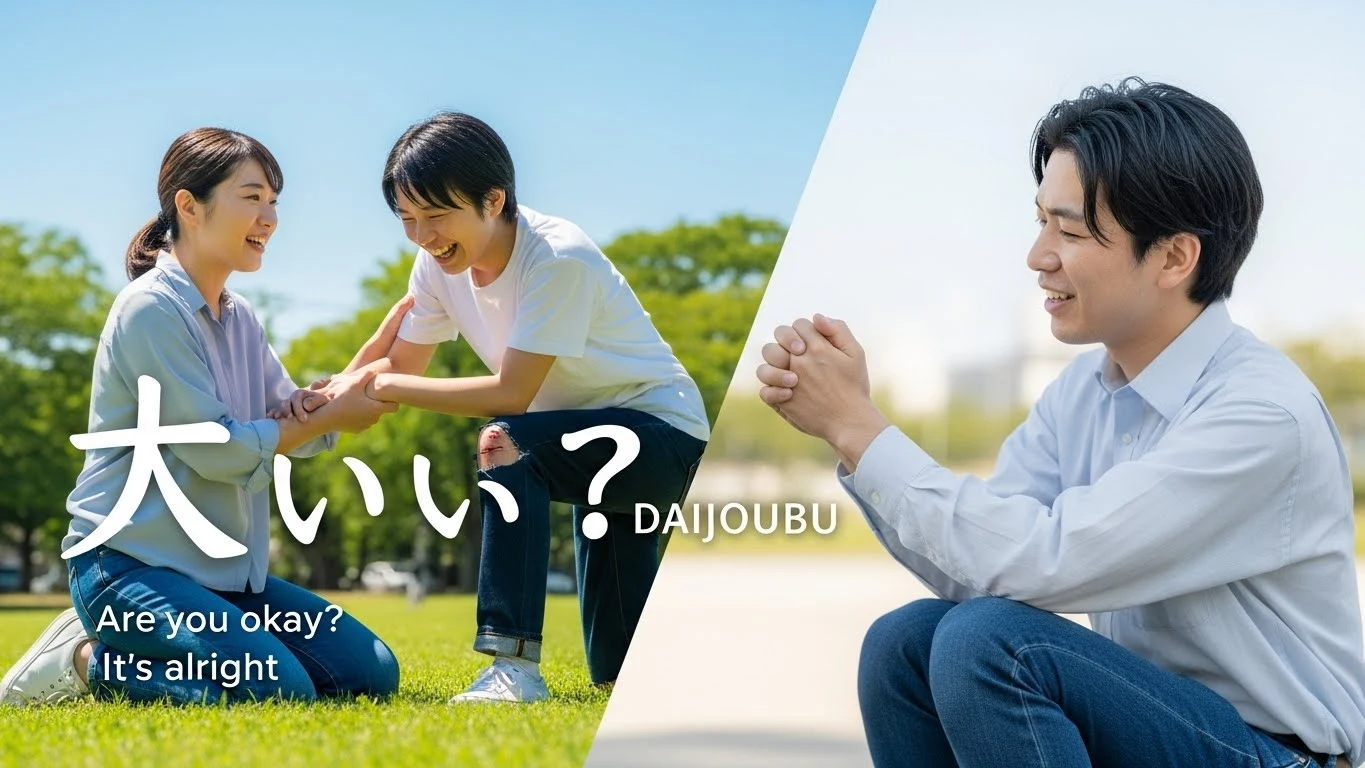
Japanese words have quietly taken over global internet culture. From anime and K-dramas to TikTok comments and casual chats, certain phrases pop up everywhere. One of the most common and often misunderstood is 🚀daijoubu meaning🚀.
People use it in memes, daily conversations, subtitles, and even as a reaction text. But what does it actually mean? And why does it feel like it can mean five different things at once?
Let’s break it down in a simple, modern, Gen-Z–friendly way.
⚡ Quick Answer
“Daijoubu” is a Japanese expression that generally means “it’s okay,” “I’m fine,” or “no problem,” depending on the situation, tone, and context.
It can express reassurance, acceptance, refusal, emotional strength, or polite dismissal—all with the same word.
What Is This Japanese Word, Really?
At its core, this phrase comes from Japanese daily life. Locals use it constantly—at shops, at home, with friends, and even in formal settings.
The literal idea behind it is:
- Everything is safe
- No worries
- I can handle it
But Japanese communication relies heavily on context and tone, not just vocabulary. That’s why this single word can shift meanings so easily.
Why This Phrase Feels So Confusing
If you’ve ever watched anime or Japanese dramas, you might have noticed something strange.
The same word is used when:
- Someone is hurt
- Someone refuses help
- Someone accepts help
- Someone reassures another person
That’s because Japanese culture values emotional subtlety.
Instead of directly saying:
- “Yes”
- “No”
- “I’m not okay”
- “Leave me alone”
This phrase acts as a soft emotional shortcut.
Common Meanings Based on Context
1. “I’m Okay / I’m Fine”
This is the most common usage.
Example scenario:
Someone asks, “Are you feeling sick?”
Response: Daijoubu.
Meaning:
- I’m fine
- I can manage
- Don’t worry about me
Sometimes it’s genuine.
Sometimes it’s emotional masking.
2. “No, Thank You” (Polite Refusal)
This is where many learners get confused.
Example scenario:
A cashier asks if you want a bag.
Response: Daijoubu desu.
Meaning:
- No, I don’t need it
- I’m good, thanks
It’s polite, soft, and non-confrontational.
3. “Everything’s Under Control”
Used to reassure others.
Example scenario:
Your friend looks worried.
Response: Daijoubu.
Meaning:
- I’ve got this
- Don’t stress
- Situation handled
This usage gives calm confidence.
4. “It’s Not Okay, But I Won’t Say It”
This one hits emotionally.
In Japanese culture, people often avoid burdening others with their problems.
So when someone says this word quietly or weakly, it may actually mean:
- I’m not okay
- But I don’t want to talk about it
Tone matters more than words here.
How Tone Changes Everything
This expression can flip meaning completely based on how it’s said.
| Tone | Likely Meaning |
|---|---|
| Cheerful | Everything’s fine |
| Flat | Neutral / dismissive |
| Soft | Emotional vulnerability |
| Sharp | Please stop / no |
| Tired | I’m holding it together |
This is why subtitles sometimes feel inaccurate. The emotional layer is hard to translate.
Formal vs Casual Usage
Casual Form
Used with friends, family, or online.
- Short
- Relaxed
- Emotion-driven
Polite/Formal Form
Used with strangers, elders, or workplaces.
- Sounds respectful
- Often used to decline politely
- Maintains social harmony
Japanese language prioritizes respect over directness, which explains why this phrase is so flexible.
How It’s Used in Anime & Pop Culture
Anime made this word global.
You’ll often hear it when:
- A character is injured but pretending to be fine
- Someone reassures another character before a fight
- Emotional moments where vulnerability is hidden
That’s why fans associate it with:
- Quiet strength
- Emotional suppression
- Inner resilience
It’s not just a word—it’s a vibe.
Online & Text Message Usage
On social media, people use it to sound:
- Chill
- Emotionally distant
- Reassuring
Examples:
- “I messed up but it’s daijoubu.”
- “Life is chaos but daijoubu.”
Online, it often means:
- It is what it is
- We’ll survive
- No stress (even if there is stress)
Cultural Meaning Behind the Word
This phrase reflects key Japanese values:
- Endurance
- Emotional restraint
- Politeness
- Social balance
Instead of over-explaining emotions, people compress meaning into tone and context.
That’s why learning Japanese isn’t just about vocabulary—it’s about reading the room.
Common Mistakes Non-Native Speakers Make
Avoid these:
- ❌ Using it as a direct “yes” every time
- ❌ Ignoring tone
- ❌ Assuming it always means “fine”
- ❌ Using it too casually in serious situations
It’s flexible—but not careless.
Similar Expressions With Slight Differences
Japanese has multiple ways to express reassurance:
- One sounds more formal
- One sounds more emotional
- One sounds confident
- One sounds polite
But this particular phrase stands out because it covers all emotional registers, depending on delivery.
When You Should Use It
Use it when:
- Reassuring someone
- Declining politely
- Saying you’re okay
- Keeping things emotionally light
Avoid it when:
- You need to be very clear
- The situation requires honesty
- Emotional clarity matters
Why This Word Resonates Globally
Gen-Z and millennials love it because it matches modern emotional culture:
- Feeling overwhelmed but still functioning
- Saying “I’m fine” without being fine
- Keeping emotions subtle
- Protecting personal boundaries
It perfectly fits today’s low-energy, emotionally aware communication style.
Final Thoughts
This small Japanese word carries huge emotional weight.
It can mean:
- I’m okay
- I don’t need help
- Please stop
- Everything’s under control
- I’m hurting but strong
Understanding it isn’t about memorizing a definition—it’s about understanding people.
Once you catch the tone, the meaning becomes clear.
And that’s what makes this expression timeless, powerful, and globally relatable.
