Scrolling through job listings and suddenly you see “Salary: DOE” — and your brain goes wait… what? 😵💫
No numbers. No range. Just three mysterious letters.
Don’t worry. You’re not alone, and you’re definitely not missing something obvious.
In this guide, we’re breaking down the 🚀meaning of doe salary🚀 in a clear, simple, Gen-Z–friendly way. By the end, you’ll know exactly what it means, why companies use it, how it impacts your paycheck, and how to handle it like a pro during interviews and negotiations.
⚡ Quick Answer
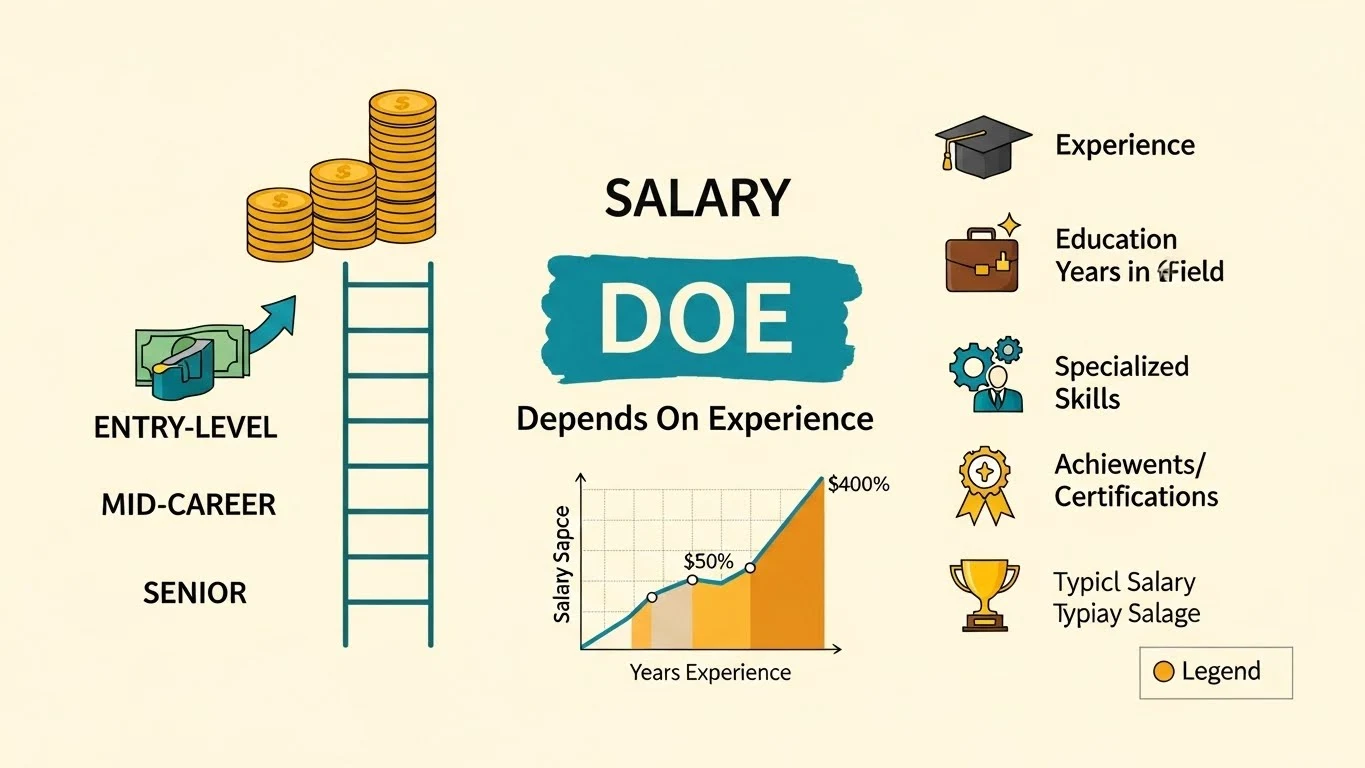
DOE salary means “Depends on Experience.”
Instead of offering a fixed salary, employers decide your pay based on your skills, background, education, and overall value to the role.
What Does DOE Actually Stand For?
DOE = Depends on Experience
That’s it. No secret code. No corporate conspiracy. 😄
When a company uses this term, they’re saying:
“Your salary will be determined after we evaluate your experience, skills, and qualifications.”
It’s flexible pay, not a fixed number.
Why Do Employers Use DOE Instead of a Salary Number?
Great question. Employers don’t choose this randomly. There are real reasons behind it.
1. Different Experience Levels, Same Role
One candidate might be a beginner. Another might be a seasoned pro. Paying both the same wouldn’t make sense.
2. Budget Flexibility
Companies want room to adjust offers based on how strong the candidate is — without boxing themselves into a number.
3. Competitive Hiring
If you’re highly skilled, they may offer more to attract you instead of losing you to another company.
4. Evolving Job Roles
Some roles change over time. A flexible salary helps them adapt.
Is DOE Salary a Red Flag? 🚩
Short answer: No — but it depends.
DOE Is Normal When:
- The job requires specialized skills
- The role can be junior or senior
- It’s a startup or growing company
- The market rate varies a lot
It Can Be a Red Flag If:
- The employer avoids all salary discussions
- They pressure you to accept without clarity
- The job responsibilities are vague
👉 Transparency matters. A good company will explain how pay is decided.
DOE Salary vs Fixed Salary: What’s the Difference?
Fixed Salary
- Clear number upfront
- Less negotiation
- Predictable
Experience-Based Pay
- Flexible range
- Negotiable
- Can be higher if you bring value
If you have strong skills, DOE can actually work in your favor.
Real-Life Examples (So It Makes Sense)
Example 1: Entry-Level Designer
A junior designer with basic tools knowledge might get a lower offer.
Example 2: Experienced Designer
Someone with 5+ years, a strong portfolio, and brand experience? Higher pay.
Same job title. Different compensation.
How Employers Decide Your Pay Under DOE
Companies usually look at:
- Years of experience
- Technical & soft skills
- Education or certifications
- Past salary (sometimes)
- Industry standards
- Interview performance
💡 Pro tip: Your confidence and communication matter more than you think.
How to Respond When a Job Posting Says DOE
Don’t panic. Don’t skip it. Do this instead 👇
Step 1: Research Market Rates
Know what people in your role typically earn.
Step 2: Know Your Value
List your skills, achievements, and experience.
Step 3: Ask Smart Questions
Examples:
- “Can you share the typical range for this role?”
- “How do you evaluate experience for compensation?”
You’re not being rude — you’re being professional.
Can You Negotiate a DOE Salary?
Absolutely. 💯
In fact, you’re expected to.
How to Negotiate Like a Pro:
- Highlight measurable results
- Share relevant achievements
- Explain how you add value
- Stay respectful and calm
❌ Don’t say: “I just want more money.”
✅ Say: “Based on my experience and skills, I believe X range is fair.”
DOE Salary in Different Industries
Tech & IT
Very common. Skills vary a lot.
Marketing & Creative
Portfolios matter more than years.
Healthcare
Experience, certifications, and specialization play a big role.
Corporate & Admin Roles
Often depends on seniority and company size.
Is DOE Salary Legal?
Yes. In most countries, it’s completely legal.
However, some regions require:
- Salary ranges in job ads
- Equal pay transparency
Always check local labor laws if you’re unsure.
Pros and Cons of Experience-Based Pay
✅ Pros
- Higher earning potential
- Fair pay for skilled workers
- Negotiation power
❌ Cons
- Uncertainty upfront
- Can feel vague
- Requires confidence to negotiate
Balance is key.
How to Prepare for a DOE Salary Interview
Before your interview:
- Write down your achievements
- Prepare a salary range
- Practice explaining your value
- Be ready with examples
Confidence isn’t arrogance — it’s clarity.
Common Myths About DOE Salary
Myth 1: It always means low pay
➡️ False. It can mean higher pay.
Myth 2: Only beginners get it
➡️ Nope. Seniors see it all the time.
Myth 3: You shouldn’t ask about money
➡️ Wrong. You should — professionally.
What Recruiters Wish You Knew
Recruiters expect questions about compensation.
They appreciate candidates who:
- Know their worth
- Communicate clearly
- Are flexible but informed
Silence doesn’t help you.
Final Thoughts: Should You Avoid DOE Jobs?
Not at all.
Experience-based compensation isn’t good or bad by default — it’s how you handle it that matters.
If you:
- Do your research
- Know your strengths
- Communicate confidently
You can turn uncertainty into opportunity.
🔑 Key Takeaways
- DOE means pay depends on your experience
- It’s common and legal
- Negotiation is expected
- Preparation gives you power
The more value you bring, the better the outcome.
