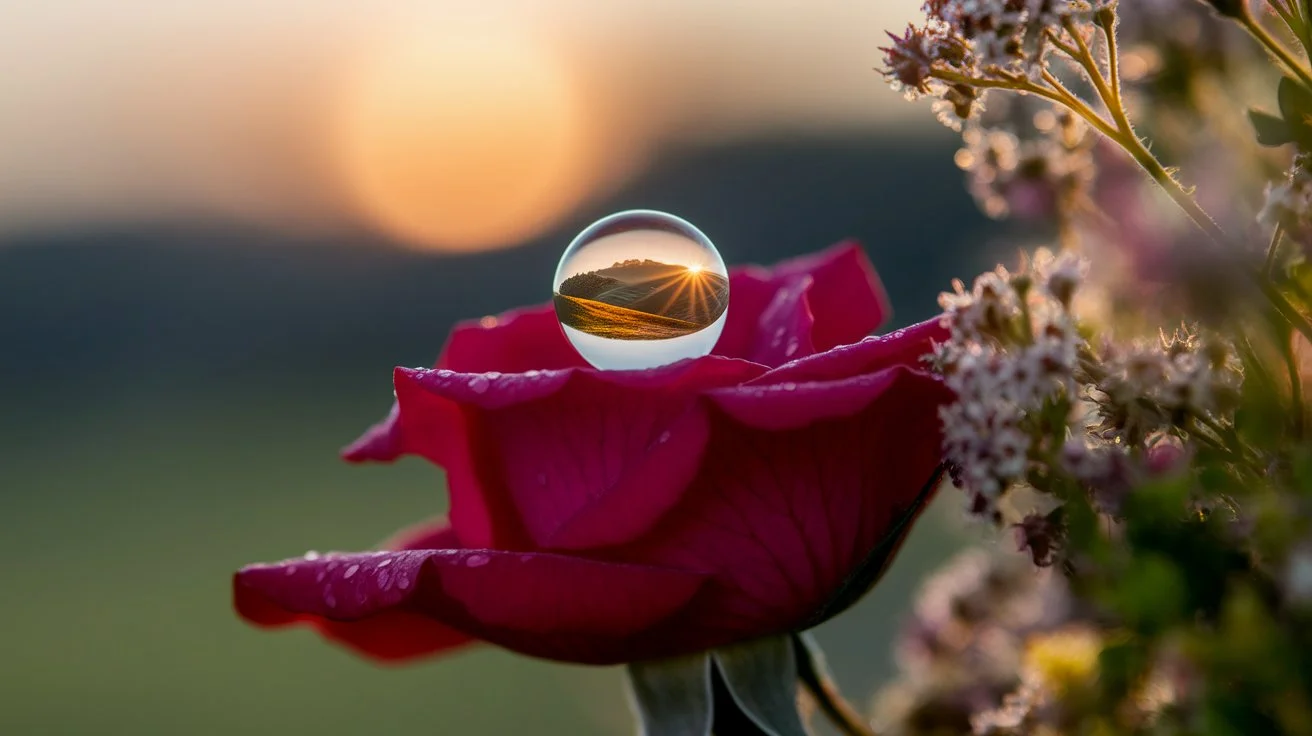
Ever wondered why a straw looks bent in a glass of water? Or why rainbows form after a storm? Or how glasses magically sharpen your vision?
Spoiler alert: it’s all because of a fascinating light trick called refraction.
Before we dive deeper, here’s your keyword used exactly once:
👉 🚀what does refraction mean🚀
Now let’s break it all down in the simplest, most relatable way ever.
⭐ Quick Answer (For People Who Want the Fast Definition)
Refraction is the bending of light when it moves from one medium to another—like from air into water or from space into the Earth’s atmosphere.
This bending happens because light changes speed depending on what it travels through.
Think of it like running on the beach:
- Running on dry sand = super fast
- Running in water = you slow down
The same thing happens to light. And that’s refraction in action.
🌈 What Refraction Really Does (And Why It’s Everywhere Around You)
You might think refraction is some complicated physics concept only scientists use, but nope—this simple bending of light is happening around you all day long.
Here are some cool, everyday examples:
- A spoon looking broken in a cup of tea
- A rainbow forming after rain
- A mirage appearing on a hot highway
- Your eyeglasses helping you see clearly
- A swimming pool looking shallower than it really is
Let’s decode all these with easy-to-digest explanations.
🧊 Why Light Bends: The Speed Change Explained
Light isn’t always traveling at the same speed.
It slows down or speeds up depending on what it moves through.
Here’s the typical speed pattern:
- Fastest: Vacuum
- Fast: Air
- Slower: Water
- Slowest: Glass or diamonds
When light slows down or speeds up, it changes direction.
That change in direction = refraction.
Simple.
🥤 The “Bent Straw” Phenomenon (The Most Iconic Example)
Take a clear glass.
Fill it with water.
Put a straw inside.
The straw suddenly looks bent, broken, or shifted.
But it’s not magic.
It’s physics.
When light travels from water (dense medium) into air (less dense medium), it bends away from the normal line—changing how your eye perceives the straw’s position.
In Gen-Z terms:
The straw is not broken.
Your eyes are just getting catfished by light.
🌞 How Rainbows Form Because of Refraction
Rainbows are like nature’s glass prism.
Sunlight enters raindrops → bends → splits → reflects → bends again → creates that gorgeous spectrum of colors.
Refraction inside those tiny raindrops separates white sunlight into its rainbow shades.
So yeah, the rainbow you captured for Instagram?
Totally a light-bending flex.
🌡️ Mirages on Hot Roads: Another Refraction Trick
You know those shimmering “puddles” you see on highways during hot weather?
That’s not water.
It’s refraction messing with your eyes again.
Hot air bends light differently than cooler air.
So light curves upward and makes you think you’re seeing water reflections.
Mirages = refraction meets heatwave vibes.
🕶️ How Glasses, Lenses & Optics Use Refraction to Help You See
If you wear glasses or contacts, this section is literally about you.
Why You Can’t See Clearly (Scientifically Speaking):
Your eye lens is not bending light correctly onto your retina.
What Glasses Do:
Glasses intentionally bend light before it enters your eyes so the focus lands exactly where it should.
Meaning?
Refraction was the problem.
Refraction is also the solution.
Lenses are basically controlled-refraction tools.
📷 Cameras, Phone Lenses & Refraction: The Tech Side
Every photo you take is powered by refraction.
Your smartphone lens:
- bends light
- focuses it
- directs it onto a sensor
Wide-angle shots, zoom shots, portrait blur, night mode—all made possible because lenses bend light in precise ways.
Refraction is the unsung hero behind your entire camera roll.
✨ The Science Behind It (Explained Simply)
Let’s make science TikTok-friendly:
☑️ Light changes speed → direction changes
☑️ Direction change → angles shift
☑️ Angle shift → image looks displaced
That’s it.
No heavy formulas. No intimidating physics.
Just vibes and angles.
🧪 Real-Life Examples: Refraction in Everyday Life
Here’s a list of situations where refraction shows up (and flexes hard):
In Nature
- Rainbows
- Sun appearing bigger at sunset
- Stars twinkling
- Mirages
- Fish looking higher in water
In Daily Life
- Glasses & contacts
- Magnifying glasses
- Peepholes in doors
- Camera lenses
- Projectors
In Fun Activities
- Prism art
- Holograms
- Kaleidoscopes
- Fiber-optic lights
Refraction is the backbone of anything that bends, spreads, or redirects light.
🎯 Why Refraction Matters (Beyond Just Science Class)
Refraction isn’t just interesting—it’s useful.
Because refraction exists, we have:
- Advanced photography
- Eyeglasses and vision correction
- High-speed internet (fiber optics)
- Lasers
- Telescopes
- Microscopes
- VR/AR headsets
- Holographic tech
- Medical imaging
So, if you like clear vision, beautiful photos, fast internet, or futuristic tech—say thank you to refraction.
🌐 Refraction in the Digital World
Tech companies depend on refractive principles to create:
Better smartphone cameras
Sharper sensors rely on refractive lenses.
VR headsets
They use lens curvature to bend light for realistic depth.
Smart glasses
Refraction helps project digital images into your field of view.
Fiber-optic communication
Light bends and travels through cables, delivering ultra-fast internet.
Refraction basically runs the modern world.
🧠 Simple Ways to Explain Refraction to Anyone (Kids, Teens, Adults)
Kid Version:
Light bends when it goes through things like water or glass, making objects look funny.
Teen Version:
Refraction is when light changes direction because it slows down or speeds up in different materials.
Adult Version:
Refraction is the physical phenomenon where light bends as it transitions between media with different optical densities.
Same meaning.
Different vibes.
📝 Fun Mini-Experiments You Can Try at Home
1. The Bent Pencil Trick
Place a pencil in a glass of water.
Watch it “bend.”
Boom—refraction.
2. Coin Disappearing Experiment
Place a coin in a bowl.
Move your head.
Fill the bowl with water.
The coin “reappears.”
All thanks to bending light.
3. Prism Light Show
Use any prism.
Shine sunlight or flashlight.
Instant rainbow.
Science + aesthetics = win.
🌟 Key Takeaways (So You Don’t Forget)
- Light bends when it changes speed.
- This bending is called refraction.
- It happens everywhere—in nature, tech, vision, photography, and daily life.
- Your eyes, glasses, and even your smartphone depend on this phenomenon.
Refraction isn’t just science—it’s a lifestyle.
🏁 Conclusion: Refraction Is the Hidden Power Behind How We See the World
From rainbows to glasses to every photo you’ve ever taken, refraction plays a massive role in shaping reality as you perceive it. It makes objects look shifted, magnified, or distorted. It helps tech work, helps humans see clearly, and makes nature look magical.
Light bends.
Our world changes.
And that simple bending creates beauty, clarity, illusions, and innovation.
Understanding refraction doesn’t just teach you science—it helps you appreciate the hidden physics behind everyday life.
