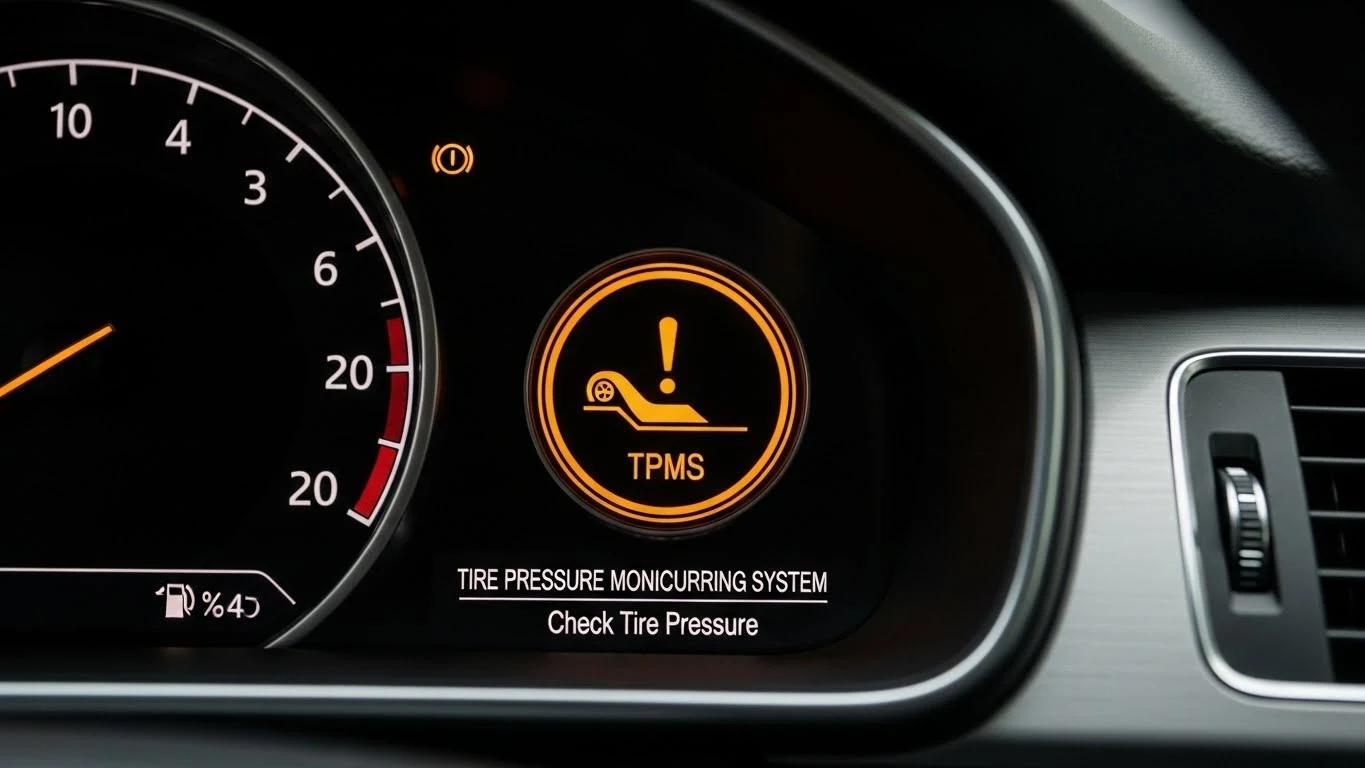
Modern cars are basically smartphones on wheels. Sensors everywhere. Alerts popping up. And one tiny warning light that confuses almost everyone at least once. Yep, we’re talking about TPMS.
If you’ve ever started your car and noticed a tire-shaped symbol glowing on the dashboard, you’re not alone. People Google 🚀what does tpms mean on a car🚀 every single day—and for good reason. It’s important, safety-related, and surprisingly misunderstood.
Let’s break it down in a simple, Gen-Z–friendly way. No jargon. No stress. Just real explanations that actually help.
⚡ Quick Answer
TPMS stands for Tire Pressure Monitoring System.
It’s a safety feature that alerts you when one or more of your tires has low air pressure. Low pressure = less control, worse fuel economy, and a higher risk of tire failure.
That dashboard light? It’s your car saying, “Hey bestie, check your tires.”
🔍 What Is a Tire Pressure Monitoring System?
TPMS is an electronic system built into modern vehicles to track air pressure inside your tires. It works automatically. You don’t need to turn it on. You don’t need an app. It’s always watching.
When tire pressure drops below a safe level, the system triggers a warning light on your dashboard.
Why it exists:
- To prevent blowouts
- To improve driving safety
- To boost fuel efficiency
- To reduce uneven tire wear
This system became mandatory in many countries after safety regulations tightened following tire-related accidents.
🚨 What Does the TPMS Warning Light Look Like?
Most cars show:
- A horseshoe-shaped icon
- An exclamation mark (!) inside
- Sometimes labeled “TPMS”
Two common situations:
- Solid light: One or more tires are underinflated
- Flashing light: System malfunction or sensor issue
Pro tip: A flashing light usually means the system itself needs attention—not just your tires.
🧠 How TPMS Actually Works (Simple Version)
There are two types of systems used in cars today.
1️⃣ Direct System
This uses physical sensors inside each tire.
- Measures real-time air pressure
- Very accurate
- More expensive to repair
- Sensors run on batteries
2️⃣ Indirect System
This uses wheel speed sensors instead.
- Detects changes in rotation
- Estimates pressure loss
- Less accurate
- Lower maintenance cost
Both systems do the same job: keep you informed before things get dangerous.
❄️ Why the Warning Light Turns On Suddenly
Ever noticed the light come on during winter mornings? You’re not imagining it.
Common triggers include:
- Cold weather shrinking air inside tires
- Slow leaks from nails or screws
- Natural air loss over time
- Long-distance driving
- Tire rotation without system reset
Air pressure drops naturally. About 1 PSI per month is normal.
🛑 Is It Safe to Drive with the TPMS Light On?
Short answer: Not for long.
You can drive briefly to a nearby gas station or tire shop. But ignoring it for days? Not smart.
Risks of driving with low pressure:
- Reduced traction
- Longer braking distance
- Poor steering response
- Higher chance of tire blowout
- Increased fuel consumption
Basically, your car becomes less predictable. And that’s never a vibe.
🛠️ How to Fix a TPMS Alert
Most of the time, fixing it is easy and cheap.
Step-by-step:
- Check tire pressure using a gauge
- Inflate tires to the recommended PSI
(Found on driver-side door sticker, not the tire itself) - Drive for a few minutes
- Reset the system if needed
If the light stays on, it might be:
- A faulty sensor
- A dead sensor battery
- A system calibration issue
In that case, a mechanic can scan it in minutes.
🔁 What Happens After Tire Rotation or Replacement?
Good question—and many people miss this.
Whenever tires are:
- Rotated
- Replaced
- Swapped seasonally
The system may need a reset or relearn process.
Why?
Because the car needs to know which sensor belongs to which wheel.
Skipping this step can cause:
- False warnings
- Incorrect pressure readings
- Constant dashboard alerts
💸 How Much Does TPMS Repair Cost?
Let’s talk money.
Typical costs:
- Sensor replacement: $50–$150 per tire
- System reset: Often free
- Battery replacement: Usually included with sensor
Good news: sensors last 5–10 years on average.
🚙 TPMS vs Manual Tire Checks
Some drivers think, “Why not just check manually?”
Truth is, both matter.
TPMS benefits:
- Real-time alerts
- Early warning signs
- Convenience
Manual checks still matter because:
- TPMS doesn’t show exact PSI in all cars
- Sensors can fail
- It won’t warn you if all tires lose pressure evenly
Best practice:
Use TPMS as a safety net, not a replacement.
🌍 Environmental & Fuel Benefits
Underinflated tires aren’t just unsafe—they’re inefficient.
Proper tire pressure:
- Improves gas mileage
- Reduces carbon emissions
- Extends tire lifespan
Even a small pressure drop can cost you money over time.
Saving fuel = saving cash + helping the planet 🌱
📱 Does TPMS Work with Smart Displays?
In newer cars? Absolutely.
Some vehicles show:
- Individual tire PSI
- Real-time updates
- Alerts via infotainment screen
Older models may only show the warning light. Still useful. Still effective.
🧩 Common Myths About TPMS (Busted)
Myth: The light means you have a flat
Truth: It usually means low pressure, not a flat
Myth: You can ignore it if the car feels fine
Truth: Damage can happen silently
Myth: New tires don’t need monitoring
Truth: All tires lose air—new or old
🔐 Why TPMS Is a Big Deal for Safety
This system isn’t optional fluff. It’s designed to:
- Prevent accidents
- Improve vehicle control
- Protect passengers
Many serious crashes start with tire failure. Early alerts save lives.
✅ Final Thoughts
That tiny dashboard light carries big responsibility. TPMS is one of those quiet car features you don’t notice—until you really need it.
Understanding what it does helps you:
- Drive safer
- Spend less on fuel
- Avoid tire damage
- Stay stress-free on the road
Next time it lights up, don’t panic. Just check your tires and keep moving smarter.
